
Testing Equipments Supplier
ISO9001: 2015 Certified
Views: 9 Author: Site Editor Publish Time: 2026-08-25 Origin: Site


Airport pavement friction dictates aircraft braking performance, directional control, and the prevention of runway excursions. Micro-texture and macro-texture work together to keep aircraft on the pavement during adverse conditions. Continuous operational wear degrades surface friction daily. Rubber buildup accumulates rapidly in touchdown zones as heavy aircraft land. Winter weather contaminants like snow, ice, and slush further compromise surface integrity. These factors expose airports to severe safety risks and immediate regulatory non-compliance.
Addressing these hazards requires precise surface monitoring. Deploying a reliable runway friction tester serves as a critical operational investment. You must match the specific testing methodology to your environmental demands. The right equipment transforms raw surface data into actionable maintenance schedules. This proactive approach keeps runways open, safe, and fully compliant with international aviation standards.
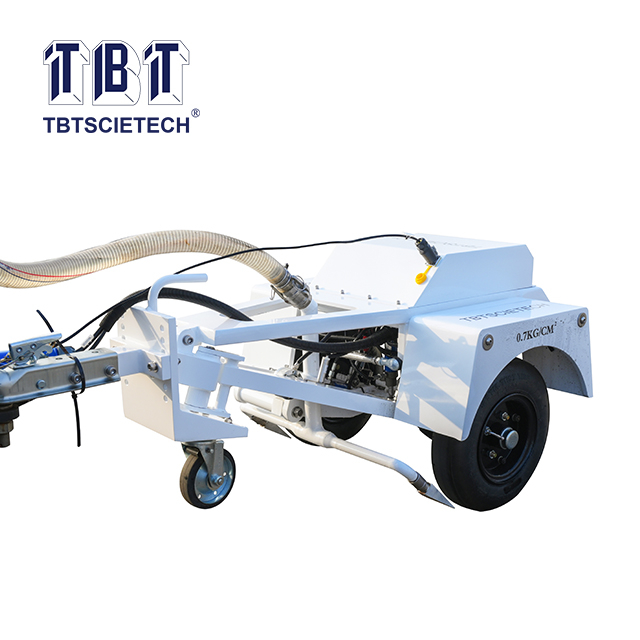
Regulatory Alignment: Runway friction testing is strictly governed by FAA and ICAO standards, requiring precise documentation of Mu values across touchdown, mid-point, and roll-out zones.
Equipment Differentiation: Selecting a runway friction tester requires choosing between Continuous Friction Measuring Equipment (CFME) for maintenance surveys and decelerometers for winter operational assessments.
Data-Driven Maintenance: Accurate friction data dictates the frequency of costly interventions like rubber removal, pavement grooving, chemical de-icing, and runway marking repainting.
Total Cost of Ownership: The true cost of friction testing equipment includes calibration requirements, vehicle integration, operator training, and software ecosystem compatibility.
Table of Contents
Pavement friction relies on complex mechanical interactions between aircraft tires and the runway surface. We categorize this interaction into two distinct physical properties: micro-texture and macro-texture. Micro-texture refers to the fine aggregate particles on the pavement surface. These microscopic rough edges provide direct adhesion between the tire rubber and the runway. You can think of micro-texture as the sandpaper effect that grips the tire. Macro-texture refers to the visible voids and grooves between the aggregate particles. These larger channels allow bulk water to escape from beneath the tire footprint. Both textures must function simultaneously to prevent dynamic hydroplaning during wet conditions.
Runway surfaces undergo continuous physical degradation from heavy aircraft traffic. Understanding the root causes of friction loss helps operations teams anticipate maintenance needs before safety margins erode. When a commercial airliner lands, the tires spin up from zero to over 150 miles per hour in a fraction of a second. This violent friction generates intense heat, melting the tire rubber and baking it directly into the pavement's macro-texture.
This vulcanized rubber accumulation smooths the surface and drastically reduces available friction. Heavy aircraft deposit pounds of rubber onto the pavement upon every touchdown. Over weeks and months, this creates a slick, impenetrable layer over the aggregate. Structural wear also plays a role. Repeated tire strikes polish the micro-texture over time. The sharp aggregate edges become rounded, losing their adhesive properties. Asphalt surfaces sometimes experience binder migration during extreme heat. This creates a slick, glass-like layer that compromises braking action.
Painted markings present another unique friction challenge. Heavy painted areas like centerlines, touchdown zone markers, and aiming points fill in pavement voids. These markings become dangerously slick when wet. They require targeted testing to ensure adequate slip resistance. Environmental contaminants like standing water, snow, slush, and ice create transient friction hazards. They physically separate the aircraft tire from the pavement texture, leading to viscous or dynamic hydroplaning.
Degradation Source | Impact on Pavement Texture | Operational Consequence |
|---|---|---|
Rubber Buildup | Fills macro-texture voids | Severe loss of wet braking action |
Aggregate Polishing | Rounds off micro-texture edges | Gradual reduction in baseline friction |
Painted Markings | Covers both micro and macro-texture | Localized slipping hazards |
Snow and Ice | Creates physical barrier over pavement | Immediate loss of directional control |
Inadequate friction triggers severe operational consequences. Pilots facing poor braking action must increase their calculated landing distances. This often forces airlines to implement strict payload restrictions. Aircraft may need to offload passengers or cargo to land safely on compromised runways. In extreme cases, degraded friction leads to rejected takeoffs or high-speed runway excursions. These incidents close runways for hours, disrupt global flight networks, and jeopardize passenger safety.
Aviation authorities enforce strict mandates for surface monitoring. The Federal Aviation Administration (FAA) and the International Civil Aviation Organization (ICAO) outline specific testing intervals. Airport operators must conduct routine surveys using an approved runway friction tester. These regulations ensure all commercial runways maintain a baseline level of safety regardless of weather conditions. The FAA details these requirements in Advisory Circular 150/5320-12, which dictates exactly how and when airports must evaluate their pavement.
Standardized testing protocols divide the runway into three distinct zones. Operators must test the touchdown, mid-point, and roll-out zones independently. Segmenting the data this way accurately reflects the different phases of aircraft braking. The touchdown zone typically shows the most severe rubber buildup. The roll-out zone often experiences more aggregate polishing due to sustained heavy braking as the aircraft slows to taxi speed. By isolating these thirds, maintenance crews can target rubber removal specifically where it is needed, rather than treating the entire runway unnecessarily.
Regulations define specific friction thresholds, commonly referred to as Mu values. A Mu value represents the coefficient of friction measured by the equipment. Authorities establish a "new design" level for freshly paved surfaces. They define a "maintenance planning" level that triggers scheduled interventions like rubber removal or pavement grooving. Finally, they enforce a "minimum" friction level. If a runway falls below this minimum threshold, operators must issue immediate Notice to Air Missions (NOTAMs) or close the runway entirely until corrective action restores the surface grip.
Airports execute two distinct categories of friction testing. Maintenance friction testing evaluates the long-term degradation of the pavement. Operators conduct these tests on dry runways using a self-wetting system. The equipment applies a controlled 1mm water film ahead of the measuring tire. This simulates standardized wet conditions. Maintenance testing identifies rubber buildup, aggregate polishing, and paint marking degradation. It provides the baseline data needed to schedule pavement grooving or rubber removal operations.
Operational friction testing addresses immediate weather hazards. Operations teams conduct these tests dynamically during winter storms. They measure the actual braking action on surfaces contaminated by snow, slush, or ice. Operational testing does not use self-wetting systems. Instead, it relies on the existing environmental conditions. The resulting data feeds directly into Runway Condition Reports (RwyCR), giving pilots real-time situational awareness before landing.
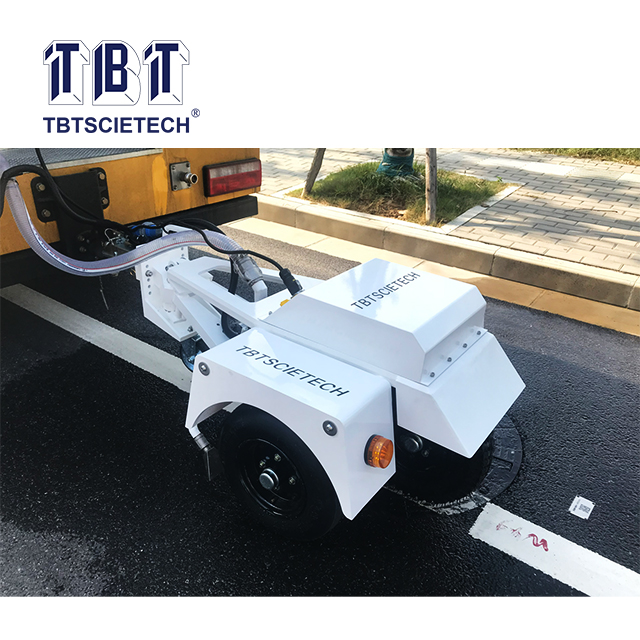
Continuous Friction Measuring Equipment (CFME) provides the most comprehensive surface analysis available. CFMEs operate using a specialized measuring tire connected to a highly calibrated axle. The system forces this measuring tire to rotate slower than the actual speed of the vehicle. This creates a controlled slip ratio, typically between 10% and 20%. The resulting drag generates continuous friction data along the entire length of the runway. The measuring tire itself follows strict ASTM standards to ensure uniform rubber compounding and tread design across all testing platforms.
Airports primarily deploy CFMEs for rigorous maintenance surveys. These units excel at full-length runway profiling under self-wetting conditions. Operators tow them behind dedicated vehicles or integrate them directly into heavy-duty truck chassis. The self-wetting capability ensures the data remains consistent regardless of ambient weather. This makes CFMEs indispensable for tracking long-term rubber buildup in the touchdown zones. The equipment pumps water from an onboard tank directly in front of the measuring tire, maintaining a precise 1mm depth at testing speeds of 40 mph or 60 mph.
CFMEs offer exceptionally high data resolution. They map the exact location of friction drops down to the meter. This pinpoint accuracy allows maintenance crews to target specific problem areas. However, CFMEs require dedicated towing vehicles and substantial water tank capacities. They demand a larger operational footprint and specialized storage facilities. The mechanical complexity of the slip-drive system also requires rigorous preventative maintenance to ensure the axle bearings and load cells function correctly.
Decelerometers operate on a completely different mechanical principle. These devices measure the deceleration rate of a host vehicle during a hard braking maneuver. The operator accelerates the vehicle to a specific speed, typically 20 mph, then applies maximum braking force. The decelerometer records the G-forces and calculates an equivalent friction coefficient. This provides a localized snapshot of the braking action at that exact spot on the runway.
Winter operations rely heavily on decelerometers. They generate rapid data on snow-covered or ice-contaminated surfaces. Operations teams mount these compact devices inside standard airport inspection vehicles. When a winter storm hits, inspectors can deploy immediately to assess the runway. The rapid data collection feeds directly into the Runway Condition Assessment Matrix (RCAM). Decelerometers offer unmatched ease of use and rapid deployment. They require minimal setup and no external water tanks.
However, decelerometers cannot provide continuous data mapping. They only measure friction at the specific spots where the operator brakes. Furthermore, decelerometers cannot conduct standardized wet-pavement maintenance testing. They remain strictly operational tools for winter weather events. Modern decelerometers have evolved significantly from early mechanical models. Today's advanced units digitally log every braking event. They format the data automatically and transmit it directly to airport operations centers via secure wireless networks.
Feature | CFME (Continuous) | Decelerometer (Spot) |
|---|---|---|
Primary Use Case | Maintenance surveys, rubber buildup | Winter weather operations |
Measurement Method | Controlled slip ratio tire | Vehicle deceleration rate |
Data Output | Continuous full-length mapping | Localized spot measurements |
Self-Wetting System | Yes (requires water tank) | No (relies on weather) |
Deployment Speed | Moderate (requires preparation) | Rapid (immediate use) |
You must prioritize data accuracy above all other features. A reliable friction tester must deliver repeatable Mu value readings under identical conditions. Inconsistent data leads to unnecessary maintenance interventions or dangerous operational oversights. The equipment must utilize high-precision load cells and sensors to capture minute variations in surface drag. The system must filter out vehicle suspension bounce and vibration to isolate the true friction values generated at the tire-pavement interface.
Calibration dictates long-term accuracy. You need to evaluate the required calibration frequency for any prospective equipment. Look for systems that allow straightforward field calibration checks before each testing run. Complex calibration procedures delay critical winter operations. Assess the availability of OEM support. Rapid access to replacement sensors and factory calibration services keeps your equipment functional during peak demand seasons. If a load cell fails in December, you need immediate replacement parts to maintain winter operational readiness.
Raw friction data holds little value until processed into actionable insights. Modern testing equipment must feature robust software ecosystems. The software should automatically filter anomalies and calculate rolling averages for each runway third. It must generate standardized reports that comply directly with FAA and ICAO formatting requirements. Integration capabilities streamline airport operations. Evaluate how the equipment communicates with your existing maintenance management systems.
The best units interface seamlessly with automated Runway Condition Assessment Matrix (RCAM) tools. They auto-populate SNOWTAM formats, reducing manual data entry errors. Look for advanced features like GPS mapping overlays. Real-time data transmission allows field operators to beam results directly to the tower. Historical trend analysis tools help you track pavement degradation over multiple years, allowing you to forecast when a runway will require complete resurfacing.
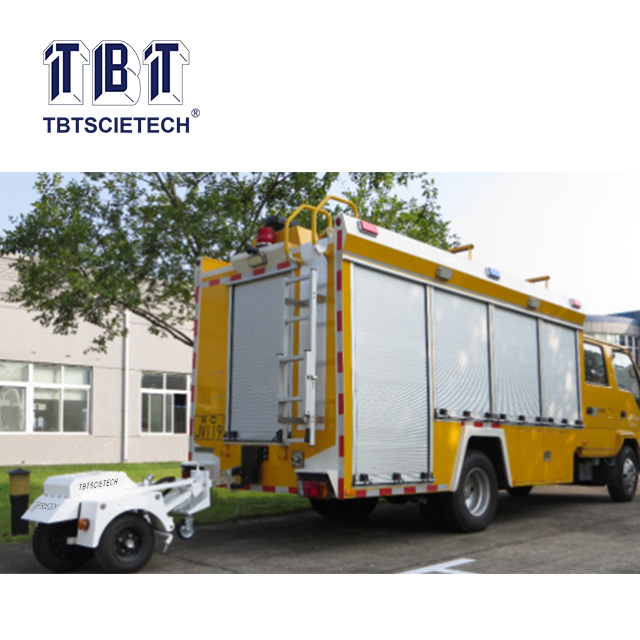
Physical equipment requirements impact daily operations. Analyze the tow-hitch compatibility if selecting a trailer-based CFME. Ensure your existing fleet can safely tow the unit at required testing speeds. Self-wetting systems require substantial water tank capacities. Calculate how much runway length you can test before needing a refill. Smaller tanks force operators to leave the runway frequently, increasing total closure times. A 250-gallon tank might suffice for a regional airport, but a major international hub requires much larger capacities to test multiple 10,000-foot runways consecutively.
Testing speed directly influences runway availability. Some units operate optimally at 40 mph, while others can test accurately at 60 mph. Faster testing speeds minimize disruption to active flight schedules. Account for your real-world testing volume. Major commercial hubs demand equipment capable of performing dozens of consecutive runs during severe winter weather. The system must endure continuous vibration, freezing temperatures, and corrosive de-icing chemicals without mechanical failure or data lag.
Human error poses the greatest risk to data integrity. Even the most advanced equipment yields useless data if operated incorrectly. You must implement rigorous, ongoing operator training programs. Personnel must understand the precise testing speeds required for valid readings. They must master water film thickness control when operating self-wetting CFMEs. If the water pump fails to deliver exactly 1mm of water depth, the resulting Mu values will falsely indicate higher friction than actually exists.
Driving lines dictate data relevance. Operators must drive exact paths, typically 3 meters and 6 meters from the runway centerline. These lines correspond directly to the main gear wheel paths of commercial aircraft like the Boeing 737 or Airbus A320. Drifting off these lines measures pristine pavement instead of the degraded wheel ruts. Certification programs ensure every operator follows identical procedures, guaranteeing consistent data across different shifts and varying weather conditions.
Airports must decide whether to manage testing internally or utilize specialized contractors. In-house operations offer immediate availability. When a sudden winter storm hits, your team can deploy equipment instantly. You maintain total control over testing frequency and data management. However, this approach requires dedicated maintenance facilities and continuously trained personnel. You must manage the entire equipment lifecycle internally.
Outsourcing friction testing shifts the operational burden to a third party. Vendors guarantee calibrated equipment and supply expert operators. This model eliminates the need to maintain specialized machinery year-round. It works exceptionally well for smaller regional airports requiring only annual maintenance surveys. However, outsourcing limits your flexibility. You cannot conduct spontaneous tests outside of scheduled vendor visits, leaving you vulnerable during unexpected weather events.
Testing equipment requires dedicated lifecycle management. You must account for the recurring operational needs of the machinery. Measuring tires serve as consumable parts. They wear down rapidly during testing and require frequent replacement to maintain accurate slip ratios. You must stock sufficient spare tires to avoid operational downtime. A standard ASTM measuring tire may only last for 20 to 30 full runway runs before the tread wears beyond acceptable limits.
Annual factory calibrations ensure continued regulatory compliance. You must schedule these calibrations during off-peak seasons to maintain equipment availability. Software ecosystems require periodic updates to align with changing ICAO reporting formats. Finally, you must maintain the host vehicles. A perfectly calibrated friction tester cannot operate if the towing truck suffers a mechanical breakdown. Regular vehicle maintenance remains just as critical as sensor calibration.
Audit your current FAA and ICAO compliance gaps to determine if you need continuous maintenance data or rapid winter operational reports.
Schedule field demonstrations with leading manufacturers to evaluate equipment usability and software interface directly on your pavement.
Establish a dedicated training matrix for your operations team to ensure strict adherence to 3-meter and 6-meter driving lines.
Request sample data reports from prospective vendors to ensure compatibility with your existing RCAM and SNOWTAM generation tools.
For airports and testing organizations seeking reliable pavement evaluation solutions, choosing an experienced testing equipment supplier can support more consistent data collection and efficient field operations. TBT specializes in testing instruments and equipment solutions, supporting infrastructure and pavement testing applications with professional equipment and technical expertise.
A: A CFME uses a controlled slip-ratio tire to continuously map friction along the entire runway, primarily for maintenance and rubber buildup surveys. A decelerometer measures the G-force of a vehicle during hard braking to provide localized spot checks, mostly used for rapid winter weather condition reporting.
A: The FAA mandates testing frequencies based on the number of daily turbojet landings. High-traffic commercial airports may require testing every month, while smaller regional airports might only need annual surveys. Winter operational testing occurs dynamically during any weather event.
A: A Mu value is the coefficient of friction measured between the testing tire and the pavement surface. It ranges from 0 to 1.0. Higher numbers indicate better grip. Regulatory bodies set specific Mu thresholds that trigger mandatory maintenance like rubber removal.
A: Yes. Operators frequently use friction testers on taxiways and high-speed turnoffs to ensure safe ground maneuvering. They also specifically target heavy painted areas, like aiming points and centerlines, as paint can become dangerously slick when wet.
A: Rubber buildup fills the macro-texture voids of the pavement and smooths the micro-texture. This prevents water from escaping under the tire, drastically lowering the Mu value readings. Testers quickly identify these low-friction zones in the touchdown area.
A: Operators typically conduct continuous friction tests at either 40 mph (65 km/h) or 60 mph (95 km/h). The 40 mph test evaluates overall macro-texture and micro-texture, while the 60 mph test specifically highlights dynamic hydroplaning risks on the pavement.


